📞  — free, 24/7
— free, 24/7 — free, 24/7| Package | Price per Dose | Price | |
|---|---|---|---|
| 180 pills | NZ$4.40 | NZ$1,053.67 NZ$790.25 Free shipping | |
| 120 pills | NZ$4.69 | NZ$750.73 NZ$563.05 Free shipping | |
| 90 pills | NZ$4.94 | NZ$592.67 NZ$444.51 Free shipping | |
| 60 pills | NZ$5.51 | NZ$441.20 NZ$330.90 | |
| 30 pills | NZ$7.41 | NZ$296.32 NZ$222.24 | |
| 180 pills | NZ$4.94 | NZ$1,185.38 NZ$889.04 Free shipping | |
| 120 pills | NZ$5.31 | NZ$849.51 NZ$637.14 Free shipping | |
| 90 pills | NZ$5.98 | NZ$717.80 NZ$538.35 Free shipping | |
| 60 pills | NZ$6.67 | NZ$533.40 NZ$400.05 Free shipping | |
| 30 pills | NZ$7.90 | NZ$316.08 NZ$237.06 |
Disclaimer: This page provides general safety information about Ranexa. Talk with your doctor or pharmacist for personal advice.
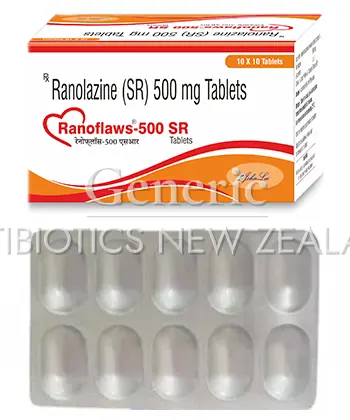
Ranexa is a medicine containing ranolazine, for angina. It helps reduce chest pain when your heart lacks enough oxygen during activity. It is a prescription medicine in New Zealand and may require a prescription depending on local rules.
Ranolazine belongs to a class of drugs called anti-anginals. It works by helping the heart work more efficiently and by reducing the oxygen demand of heart muscle. Your doctor chooses this medicine when other treatments have not fully controlled your chest pain.
You will use Ranexa to improve your ability to exercise and your overall comfort with daily activities. This information is not a substitute for a doctor’s instructions. Always follow the plan your clinician gives you, and ask questions if anything is unclear.
A few people should not take Ranexa, or should only take it with extra care. Do not start Ranexa if you have certain conditions that raise risk or interact badly with the medicine. Your pharmacist will check your health history before you start.
For example, if you have severe liver or kidney problems, this medicine may not be appropriate. Your clinician might adjust the plan or choose another option. Always inform your doctor about any ongoing liver or kidney disease.
Other contraindications include a history of certain heart rhythm problems, a known allergy to ranolazine, or if you are taking drugs that raise ranolazine levels too much. If you are pregnant, breastfeeding, or planning to become pregnant, discuss safety with your healthcare team. They will weigh benefits and risks for you and your baby.
Some people may be advised not to take Ranexa while taking certain other medicines. This is because interactions can change how Ranexa works or raise side effects. Do not start or stop medicines without talking to your clinician first.
Monitoring helps keep you safe while taking ranolazine. Your doctor may order tests or watch how you feel as you start this medicine. These steps help catch any issues early and adjust treatment if needed.
Run coding heart tests (ECG) and blood tests may be used to check rhythm, liver function, and overall health. If you notice new or worsening symptoms, tell your clinician right away. Do not assume symptoms are just part of angina unless advised.
Your ability to drive or operate machinery can be affected by dizziness or faintness. If this occurs, discuss it with your doctor before continuing daily activities that require alertness. Seek urgent medical help if you have severe dizziness, fainting, or chest pain.
Ranexa can affect how electricity moves through the heart. Your clinician may monitor your heart rhythm with an ECG, especially if you have a history of rhythm problems. If you notice palpitations, fainting, or irregular heartbeat, contact a clinician promptly.
Discuss any symptoms that feel unusual, like a racing heartbeat or fluttering in the chest. Do not ignore these signals, as they can indicate a need to adjust therapy. Your health team will decide whether tests or dose changes are needed.
Ranolazine is processed by the liver and cleared by the kidneys. In some people, liver enzymes can rise or kidney function can change during treatment. Regular check-ups and blood tests help ensure everything stays in a healthy range.
Tell your clinician if you notice persistent fatigue, yellowing of the skin or eyes, dark urine, or swelling in the ankles. These can be signs the liver or kidneys are affected, and may require action.
Urgent care is needed if you experience severe chest pain, fainting, sudden confusion, or trouble breathing. If you have any signs of a serious allergic reaction—swelling of the face or throat, severe rash—seek help immediately. Do not delay getting professional advice in these situations.
Also seek urgent help if you develop a very fast or irregular heartbeat, severe dizziness, or chest heaviness that lasts more than a few minutes. These situations warrant quick assessment by a professional.
Most people tolerate Ranexa well, but some side effects can occur. Some are mild and go away with time or with adjustments by your clinician. Report anything concerning to your doctor or pharmacist so they can help.
The following information is intended to help you recognise patterns and know when to seek help. It is not a substitute for medical advice from your own clinician. If you are unsure, talk to a pharmacist about signs you should watch for.
In New Zealand, your pharmacist can review your medicines for interactions and explain what to expect. If you notice symptoms that worry you, contact a healthcare professional for guidance. Always inform every healthcare provider that you are taking Ranexa.
Dizziness is among the most common reactions and may improve with time. Headache, nausea, or constipation can also occur as your body adjusts. If these persist or feel worse, tell your clinician.
Some people experience fatigue, dry mouth, or flushing. Changes in sensations or mild blurred vision have been reported rarely. If you notice unusual or persistent symptoms, discuss them with a pharmacist or clinician.
Serious problems are uncommon but possible. Seek urgent medical help if you experience severe allergic reactions, fainting with chest pain, severe dizziness, or a prolonged change in the heart rhythm. Your health team will determine if any action is needed.
Many medicines can interact with ranolazine in ways that affect safety or how well each drug works. Always tell your doctor about every medicine you take, including OTC products and supplements. Your pharmacist can help you review potential interactions.
Interactions can alter ranolazine levels in the blood or increase the risk of side effects such as abnormal heart rhythms. The risk rises with certain recipes, including strong inhibitors or inducers of liver enzymes. The clinician may adjust dose or choose alternatives as needed.
Never start or stop a medicine without checking with your healthcare team. When you begin a new prescription, bring your Ranexa bottle to the appointment so your clinician can reassess. They may recommend tests to monitor effects on your body.
Safety data in pregnancy and breastfeeding are limited. If you are pregnant or planning a pregnancy, discuss Ranexa use with your clinician to weigh potential risks and benefits. Breastfeeding while taking Ranexa should be discussed with a clinician as well.
Older adults may be more sensitive to side effects or drug interactions. Your clinician might start with lower doses or monitor more closely. Always share a complete list of medicines you take and any chronic conditions you have.
In children and adolescents, Ranexa is not routinely used and safety data are limited. If a child requires treatment, a physician specializing in pediatric heart medicine will determine appropriateness. Do not use this medicine in a child without explicit medical guidance.
Pregnant people should not assume the medicine is safe; discuss alternatives and the risk-benefit balance with a clinician. If you become pregnant while on Ranexa, contact your healthcare team promptly. Breastfeeding while on this drug should be discussed to ensure infant safety.
In the elderly, the risk of interactions and side effects can be higher due to other medicines and organ function changes. Children and teens should avoid this drug unless a specialist determines it is appropriate for a rare pediatric case. Always follow professional guidance in these populations.
Take Ranexa exactly as prescribed by your clinician. Do not adjust the dose or frequency without medical advice. If you miss a dose, follow the plan given by your doctor or pharmacist.
You may take Ranexa with or without food, as advised by your clinician. Do not crush or chew the tablets unless your pharmacist says it is acceptable. Swallow the tablet whole with a glass of water.
Store Ranexa in a cool, dry place away from children. Do not share your medicine with others, even if their symptoms look similar. If a new medicine is added by another clinician, inform your pharmacist so they can check for interactions.
These questions address common safety concerns. If you have ongoing worries, talk to your healthcare team for personalised guidance.
Always refer to the official patient information leaflet and your clinician for the most accurate advice about your situation.
Alcohol can worsen dizziness or lightheadedness and may affect heart rhythm in some people. If you drink alcohol, limit it and discuss it with your clinician. Do not exceed guidelines without medical advice.
Dizziness or faintness can occur, especially when starting therapy. If you notice these effects, avoid driving or using heavy machinery until you know how Ranexa affects you. Talk to your clinician if this continues.
Some people will need periodic tests to monitor liver function and heart rhythm. Your clinician will tell you what tests are needed and when to have them done. Do not skip scheduled tests, even if you feel well.
Yes, certain supplements can affect how Ranexa works. Tell your pharmacist about all vitamins, minerals, and herbal products you use. They can help you avoid any risky combinations.
If you miss a dose, do not double up to catch up. Follow the plan your clinician provided. If you are unsure, contact your pharmacist for advice before the next dose.
An overdose can be dangerous. If you suspect you or someone else took too much, seek urgent medical help. Do not wait to see if symptoms develop.
The timing can vary. Some people notice relief after a few days, while others may take longer. Your clinician will assess progress over weeks and adjust treatment if needed.
Ranexa is not a treatment for acute chest pain or a heart attack. If you have sudden chest pain or severe symptoms, seek urgent medical help. Do not rely on Ranexa alone in emergencies.
Ask your pharmacist for the official patient information leaflet that comes with Ranexa. This leaflet contains all safety, dosing, and warning details specific to your product. Your clinician can also explain anything you do not understand.
PHARMAC and MedSafe provide national guidance on medicines sold in New Zealand. Your doctor or pharmacist can help you interpret guidelines and apply them to your situation. They are the best first point of contact for safety questions.
Good general sources include established heart health organisations and reputable health care providers. If you need more information, speak with your GP, cardiologist, or pharmacist. Rely on professional advice rather than online posts or anecdotal experiences alone.
14–21 days. Free from NZ$355.85 .
5–9 days. NZ$53.38
−10% when paying with cryptocurrency.
−10% on all repeat orders.
All orders are packed in neutral, unbranded boxes with no product name on the outside.