📞  — free, 24/7
— free, 24/7 — free, 24/7| Package | Price per Dose | Price | |
|---|---|---|---|
| 180 pills | NZ$1.43 | NZ$259.28 | |
| 120 pills | NZ$1.61 | NZ$192.61 | |
| 90 pills | NZ$1.88 | NZ$167.91 | |
| 60 pills | NZ$2.10 | NZ$125.93 | |
| 30 pills | NZ$2.47 | NZ$74.06 | |
| 180 pills | NZ$2.89 | NZ$521.06 Free shipping | |
| 120 pills | NZ$3.09 | NZ$370.42 Free shipping | |
| 90 pills | NZ$3.36 | NZ$301.27 | |
| 60 pills | NZ$3.58 | NZ$214.83 | |
| 30 pills | NZ$3.95 | NZ$118.52 |
Disclaimer: This information is general and not a substitute for medical advice. Always talk with your doctor or pharmacist about your medications and health needs.
Do you ever wonder why extra salt can raise your blood pressure and make you feel puffy? Hygroton helps your body lose salt and water, which can help bring your blood pressure down and reduce swelling.
Hygroton is the brand name for chlorthalidone, a diuretic in the thiazide family. It helps the kidneys remove salt and water from the body through urine.
It is used to treat high blood pressure and to reduce fluid buildup from conditions like heart failure or liver and kidney disease. It may be used alone or with other medicines.
In New Zealand, doctors and pharmacists work together to decide when a diuretic like Hygroton is appropriate. A clinician will consider your kidney function, electrolyte balance, and other medicines you may be taking. A pharmacist can help you understand how to take it safely.
Hygroton is commonly chosen when a patient needs a longer-acting diuretic to help control blood pressure and reduce fluid retention. It can provide a steady daily effect that supports other medicines in your plan.
Doctors also weigh other options. Alternatives include other diuretics such as hydrochlorothiazide or indapamide, or different classes of medicines like ACE inhibitors, calcium channel blockers, or angiotensin receptor blockers. The choice depends on your blood pressure, kidney function, and any electrolyte changes you may experience.
How Hygroton compares to other diuretics is part of the decision. Some people tolerate it well and feel steadier over time, while others may need a different diuretic because of side effects or how it interacts with other medicines. Your clinician will tailor the plan to you.
In practice, a doctor may start with Hygroton if they want a diuretic that lasts into the next day and provides reliable blood pressure control. They may switch to another agent if you have significant side effects, or if your body responds better to a different diuretic or a non-diuretic medicine. Your treatment plan should be revisited regularly with your healthcare team.
Hygroton works by making the kidneys release more salt and water into the urine. This helps to lower the amount of fluid in the body and reduces pressure in the arteries.
It is described as a thiazide-like diuretic. That means it acts in a similar area of the kidney as other diuretics in this family but often lasts longer and has a strong overall effect for many people.
Because it changes how the body handles minerals, it can shift levels of potassium and other electrolytes. Your doctor may monitor these with blood tests and adjust treatment if needed. If you have kidney or liver problems, your doctor will check whether Hygroton is suitable for you.
Compared with some other diuretics, Hygroton may provide steadier daily control of blood pressure for some patients. The choice depends on your specific condition and goals, so your clinician can explain what is best for you.
Below is a quick, at-a-glance comparison with two other well-known options. It highlights how each medicine is usually used, how fast you might notice a difference, and a main strength to consider.
| Name | Primary use | Typical onset | Key advantage |
|---|---|---|---|
| Hygroton (chlorthalidone) | Hypertension and edema | Several days to weeks for blood pressure; diuretic effect begins soon after starting | Long duration of action; strong overall effect for many patients |
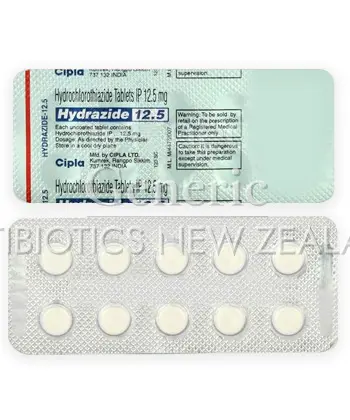
| Hydrochlorothiazide (HCTZ) | Hypertension and edema | Usually within days to a couple of weeks | Widely used and well understood; generally cost-effective |
| Indapamide | Hypertension | About 1–2 weeks | Often gentler on potassium and metabolic effects |
| Furosemide | Fluid overload in heart failure; edema | Within hours | Strong diuretic effect for rapid fluid removal |
Use the table as a general guide. Your doctor will tailor choices to your health needs and how you respond to treatment. If you have concerns about a specific medicine, speak with your pharmacist or doctor before making changes.
Take Hygroton exactly as prescribed by your clinician. It is usually taken once daily, with water.
Try to take it in the morning to reduce nighttime urination. If you miss a dose, contact your pharmacist or doctor for advice before taking extra or doubling up.
Keep regular appointments for blood tests and checkups. Your electrolytes, kidney function, and blood pressure are commonly checked to ensure the medicine is working safely.
If you have hot weather, exercising vigorously, or diarrhea, tell your doctor because you can become dehydrated more easily on a diuretic. Do not stop taking Hygroton without medical advice, as stopping suddenly can affect your blood pressure and fluid balance.
Common side effects include increased urination, dizziness or lightheadedness, and dehydration. Some people notice stomach upset or a change in taste. If you experience any persistent or troubling symptoms, talk with your clinician.
Serious but less common effects may include severe electrolyte disturbances, unusual heartbeat, or signs of dehydration. Seek urgent medical help if you develop severe dizziness, chest pain, confusion, or fainting.
Contraindications include significant kidney disease, anuria (very low urine production), severe dehydration, or a history of gout with poor control. Talk to your doctor if you have kidney or liver problems or are planning pregnancy or breastfeeding.
Special cautions include possible low potassium or sodium levels, and interactions with other medicines that affect your electrolytes. Your clinician will monitor you with tests and adjust treatment if needed. If you notice swelling or rapid weight gain, inform your healthcare team promptly.
Hygroton can interact with other medicines in ways that affect blood pressure, kidney function, or electrolyte balance. Your doctor may adjust doses or monitoring if you take these medicines together.
Common interactions include other blood pressure medicines, non-steroidal anti-inflammatory drugs (NSAIDs), and medicines that affect potassium or sodium levels. Some antidepressants, mood stabilizers, and certain diabetes drugs may also require caution.
Tell your clinician about any vitamins, supplements, or herbal products you take. Do not start or stop other medicines without checking with a pharmacist or doctor. If you notice new symptoms after starting Hygroton, seek professional advice promptly.
In case of urgent issues such as severe dehydration, fainting, or an unusually fast or slow heartbeat, seek medical help right away. Your pharmacist can review potential interactions with you in NZ context and help you stay safe.
How Hygroton compares with similar medicines and why a doctor might choose one over another are common questions. The answers here are designed to be informative but not a substitute for personalised advice.
Both medicines belong to the same family and are used to treat high blood pressure. Hygroton may have a longer duration of action for some people, which can matter for daily control. Your clinician will consider your response and side effects when choosing between them.
Blood pressure reduction may take several days to a couple of weeks to become noticeable. The diuretic effect begins soon after starting, with gradual improvement in symptoms and readings as treatment continues.
Switching between diuretics is common and can be safe under medical supervision. The decision depends on how you respond, your electrolyte balance, and any side effects. Discuss timing and monitoring with your doctor.
Generic chlorthalidone options exist and are commonly used. The active ingredient is the same, but excipients can differ. If your pharmacist suggests a generic, it is usually considered equivalent in effect and safety. If you have concerns, ask about the specific product you will receive.
Reasons include the expected duration of action, how well it lowers blood pressure for you, and how it interacts with other medicines you take. Your kidney function and electrolyte balance also influence the choice. Your clinician will tailor the plan to your needs.
NSAIDs can reduce the diuretic effect of Hygroton and may affect kidney function in some people. It is best to use NSAIDs only as advised and discuss safer options with your doctor or pharmacist if you rely on these medicines regularly.
Hygroton can lower potassium levels in some people, which may cause muscle cramps or irregular heartbeat in rare cases. Your clinician will monitor electrolytes and adjust treatment if needed. Do not modify your regimen without guidance.
Diuretics are not routinely recommended during pregnancy unless advised by a clinician. Breastfeeding safety depends on the specific medicines and circumstances. Please consult your obstetrician, paediatrician, or pharmacist for tailored advice.
If you have severe dizziness, fainting, chest pain, or signs of an allergic reaction, seek urgent medical help. Contact your doctor or pharmacist for advice about continuing or stopping Hygroton and for possible alternatives.
Your clinician or pharmacist can provide an official patient information leaflet for Hygroton. This document contains full details on indications, dosing, contraindications, and potential interactions.
Ask about any questions you still have regarding how Hygroton fits with your health goals. Your pharmacist can review all current medicines, check for interactions, and explain how to take Hygroton safely in plain terms.
For reliable information, read the leaflets that come with your medicine and check with your healthcare team if something changes in your health or new medicines are prescribed. If you need help understanding the information in New Zealand, your local pharmacy is a good first place to ask for guidance.
14–21 days. Free from NZ$355.85 .
5–9 days. NZ$53.38
−10% when paying with cryptocurrency.
−10% on all repeat orders.
All orders are packed in neutral, unbranded boxes with no product name on the outside.